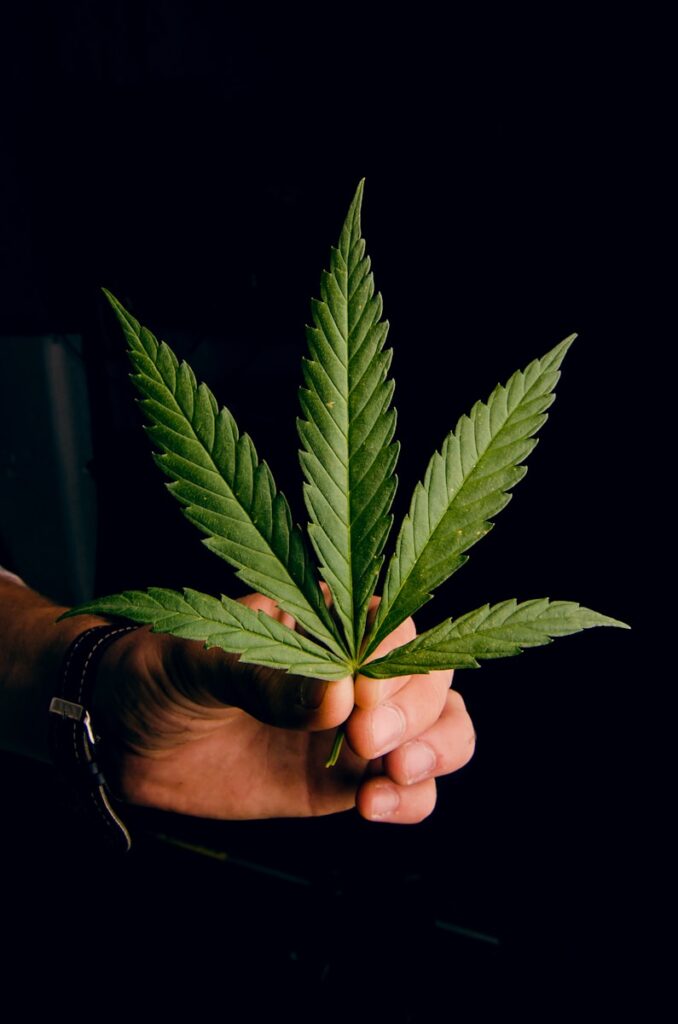
Cannabis wellness has changed quite a bit over the past several years. While many people still associate hemp and cannabis products with oils, gummies, and other ingestible products, topical CBD has quietly become another popular option.
CBD creams, salves, balms, and lotions are now commonly used by people who want to incorporate hemp-derived products into a simple daily wellness routine. They are straightforward to use, easy to apply to specific areas of the body, and don’t require adding another supplement to your daily schedule.
For people who are new to CBD, understanding how topical products fit into the larger cannabis marketplace can make choosing a product much easier.
What Exactly Is a CBD Topical?
A CBD topical is simply a product containing cannabidiol that is designed to be applied to the skin rather than swallowed.
Some of the most common examples include:
CBD creams
CBD salves
CBD balms
CBD lotions
CBD massage products
CBD cooling or warming formulas
Although these products may contain similar hemp extracts, their consistency and ingredients can vary considerably.
A lotion, for example, will usually have a lighter texture designed to spread easily across larger areas of skin. Salves and balms are generally thicker and may remain on the skin longer.
Creams tend to fall somewhere between the two.
Understanding these differences is useful because the amount of CBD listed on the container isn’t the only thing that determines what a product is like to use.
Why Are People Interested in CBD Salves and Balms?
Convenience is probably one of the biggest reasons.
Many wellness routines become complicated surprisingly quickly. People may find themselves taking several supplements in the morning, another group at night, and using different products throughout the day.
Topicals are much simpler.
You apply the product directly where you want it and continue with your day.
This simplicity is one reason articles discussing CBD oil salve and focused wellness routines have become increasingly relevant as consumers look for straightforward ways to incorporate CBD into their existing habits.
Instead of viewing CBD as something requiring an entirely new lifestyle, many people are simply adding topical products to routines they already have.
CBD Cream vs. CBD Salve: What’s the Difference?
The terminology can get confusing because manufacturers don’t always use these terms in exactly the same way.
Generally, a CBD cream contains water along with oils and other moisturizing ingredients. This can create a lighter product that absorbs relatively easily into the skin.
Traditional salves and balms are usually oil- and wax-based. They tend to have a heavier consistency and may take longer to absorb.
Neither format is automatically better.
Someone looking for something light to use throughout the day might prefer a cream, while another person may prefer the thicker consistency of a balm or salve.
The ingredient list is often more informative than the name on the front of the container.
Potency Is Another Important Difference
One of the biggest changes in the CBD topical market has been the increasingly wide range of concentrations available.
Years ago, many topical CBD products contained relatively modest amounts of cannabidiol. Today, shoppers can find everything from low-potency lotions to extremely concentrated creams and salves.
When comparing products, look at both the total CBD content and the size of the container.
A larger number printed on the label doesn’t necessarily tell you everything about the concentration.
For example, 2,000 mg of CBD in a small container represents a different concentration than 2,000 mg spread across a much larger container.
Consumers should also remember that more CBD isn’t automatically better for everyone. Product selection should depend on individual preferences, intended use, ingredients, and experience with topical products.
Pay Attention to the Rest of the Formula
CBD might be the ingredient that gets your attention, but it’s rarely the only ingredient that matters.
Topical products can contain ingredients such as:
Aloe vera
Shea butter
Coconut oil
Essential oils
Botanical extracts
Beeswax
Other moisturizing ingredients
Some products intentionally create a cooling or warming sensation, while others are formulated to be relatively neutral.
This is particularly important for people who dislike strong scents or who have sensitive skin.
Reading the complete ingredient list before purchasing is always a good habit.
Look for Independent Lab Testing
One of the easiest ways to evaluate a hemp-derived CBD product is to see whether the manufacturer provides third-party laboratory testing.
These reports are commonly called Certificates of Analysis, or COAs.
Depending on the laboratory and test performed, a COA can provide information about cannabinoid content and help consumers verify whether the product contains approximately what its label claims.
Reputable CBD companies generally make these reports reasonably easy for customers to locate.
If you’re shopping at a Michigan dispensary or purchasing CBD online, don’t hesitate to ask where the product was manufactured and whether current laboratory results are available.
Local Dispensaries Can Be Helpful Resources
One advantage of visiting a local dispensary is having someone available to explain the differences between products.
A well-trained staff member should be able to walk you through available creams, balms, salves, oils, and other cannabis or hemp-derived products without pressuring you into buying the most expensive option.
Ask questions.
What type of extract does the product contain?
How much CBD is in it?
Does it contain THC?
Does it have menthol or other cooling ingredients?
Where can you see the laboratory results?
How should the product be stored?
Good dispensaries should be comfortable answering basic questions about the products they carry.
Keep Your Wellness Routine Simple
There is always another wellness trend around the corner.
That doesn’t mean you need to follow all of them.
For many people, the most sustainable routine is the one that’s easy enough to follow consistently. That might include staying active, getting enough sleep, eating well, managing stress, and choosing a handful of wellness products that fit naturally into everyday life.
CBD topicals fit that philosophy particularly well because they’re relatively uncomplicated.
You don’t need an elaborate routine. You simply choose a product you feel comfortable with, follow the manufacturer’s directions, and determine whether it deserves a place in your personal wellness habits.
Making More Informed CBD Choices
The CBD marketplace gives consumers more options than ever, but more choices can also make shopping confusing.
Start with the basics.
Understand what type of topical you’re purchasing. Check the concentration. Read the ingredient list. Look for independent laboratory testing. And don’t be afraid to ask questions before spending your money.
Whether you’re visiting a neighborhood Michigan dispensary or researching CBD products online, a little education goes a long way.
At Heartland Housing, that’s exactly what we want to encourage: helping people understand cannabis and hemp products so they can make informed decisions that make sense for them.